Silk Painting
Overview
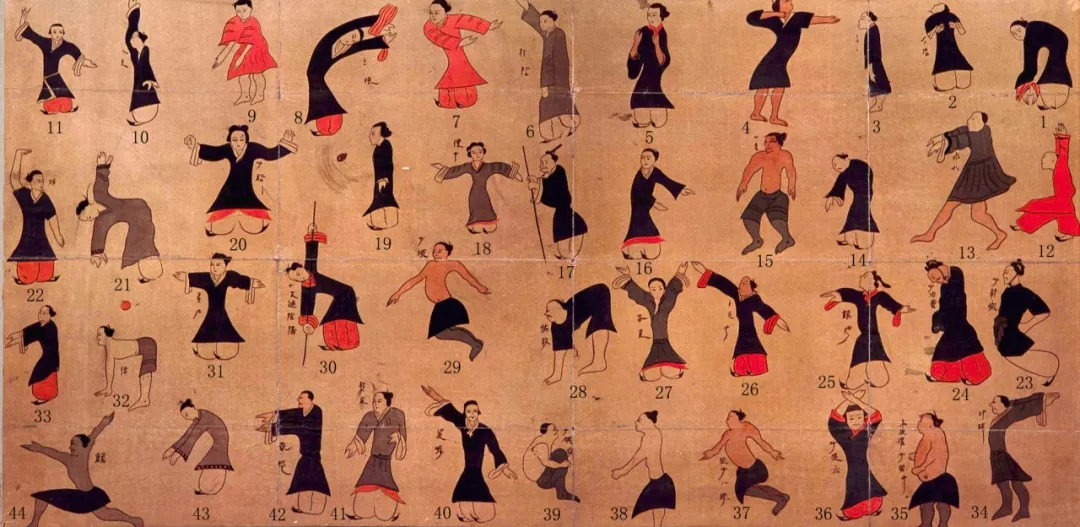
Silk painting is an ancient art form that has evolved over centuries, showcasing the cultural and artistic expressions of different eras in Chinese history. The practice involves painting on silk fabric using various techniques, including ink drawing and heavy-colored drawing. This art form is notable for its intricate detail, vivid colors, and the skill required to execute such works on the delicate silk fabric. Silk paintings have been discovered in numerous archaeological sites, offering a glimpse into the past beliefs, traditions, and artistic advancements of the time.
The art of silk painting dates back to ancient China, with some of the earliest known examples from the Warring States Period (475-221 BC). These artworks often served ceremonial or practical functions, such as banners in funeral processions or as decorative items in homes and temples. Over time, silk painting became a respected art form, practiced by skilled artists who contributed significantly to the development of Chinese visual culture.
Historical Significance
Silk painting holds immense historical significance as it provides a window into the cultural and artistic practices of ancient China. One of the most famous examples is the T-shaped silk painting unearthed from Lady Xin Zhui’s tomb at Mawangdui in Changsha, Hunan province. Dating back to the Western Han Dynasty (206 BC-AD 24), this piece was used as a banner in funeral processions, symbolizing the journey of the soul to the afterlife. The painting's detailed depiction of the heavenly world, as imagined by ancient people, reflects their beliefs and aspirations for eternal life.
The intricate designs and motifs found in silk paintings offer insights into the socio-religious context of the period. For example, a silk painting from the Warring States Period depicts a man standing on a dragon, surrounded by a crane and a carp, symbolizing the guidance of the soul to heaven. Such artworks serve as important cultural artifacts, representing themes of spirituality, mythology, and daily life in ancient China.
Throughout history, silk painting has also played a role in documenting historical events and cultural shifts. During the Han Dynasty, for instance, elaborate funerals and grave goods, including silk paintings, were common, illustrating the era's prosperity and the emphasis placed on the afterlife. These paintings often depicted legendary figures, mythical creatures, and scenes from everyday life, providing a comprehensive visual record of the dynasty's cultural landscape.
Techniques
The art of silk painting employs various techniques to achieve its distinct aesthetic qualities. Artists have traditionally used ink drawing to outline figures and scenes, followed by the application of heavy colors to create depth and vibrancy. This combination of techniques allows for detailed and expressive renderings on the delicate silk fabric.
The process of silk painting demands a high level of skill and precision. Artists must carefully manage the flow of ink and colors on the fabric, which can be challenging due to silk's smooth and absorbent nature. Mastery of brushwork is crucial, as it contributes to the overall composition and detail of the painting. Renowned artists like Chen Shaomei, known for his clean-cut brushwork and poetic touch, exemplify the level of expertise required to excel in silk painting.
Different historical periods saw the development and refinement of various techniques in silk painting. For instance, during the Qing Dynasty (1644-1911), artists often depicted butterflies among flowers, symbolizing themes of academic success and personal achievement. These paintings showcased intricate detail and a mastery of color, reflecting the cultural and artistic values of the time.
Cultural Context
Silk painting is deeply rooted in Chinese culture, reflecting the values, beliefs, and artistic traditions of different historical periods. The practice has been influenced by various cultural and philosophical movements, including Confucianism, Taoism, and Buddhism, each leaving its mark on the themes and motifs depicted in the paintings.
During the Yuan Dynasty (1271-1368), for example, Confucian values were prominent in art, as seen in Chen Shaomei's album of 24 paintings on silk. Each piece illustrates a story from the popular Confucian book "The Twenty-four Filial Deeds," highlighting the importance of filial piety and moral conduct in society. These paintings not only served as artistic expressions but also as moral lessons for the audience.
Silk paintings have also played a role in ceremonial and ritual contexts. In ancient China, they were often used in funeral rites, as seen in the banners from the Mawangdui tombs, which guided the souls of the deceased to the afterlife. This ceremonial use underscores the deep connection between silk painting and the spiritual beliefs of Chinese society.
Moreover, silk painting has contributed to the preservation and transmission of cultural heritage. As a visual medium, it has captured and conveyed the stories, customs, and aesthetics of different eras, allowing future generations to gain insights into the rich tapestry of Chinese history.
Modern Applications and Preservation
In contemporary times, silk painting continues to be appreciated for its artistic and cultural value. Efforts to preserve and promote this traditional art form are evident in various exhibitions, museums, and educational programs. The Chinese Han Painting Exhibition at the Beijing Shanshui Art Museum, for example, showcases silk paintings alongside other Han Dynasty artworks, highlighting their historical and cultural significance.
Modern artists and designers have also sought to incorporate silk painting into contemporary fashion and design, recognizing its aesthetic appeal and cultural resonance. Brands like Silk Road on the Sea have introduced silk paintings in their product lines, merging traditional craftsmanship with modern sensibilities to appeal to a broader audience.
Preservation efforts are crucial in maintaining the integrity of historical silk paintings. Museums and cultural institutions play a vital role in conserving these delicate artworks, employing advanced techniques to ensure their longevity for future generations. By safeguarding these treasures, they preserve an invaluable part of the world's cultural heritage, allowing people to continue exploring the timeless beauty and historical significance of silk painting.
Article reference1. Silk painting imbued with wishes for triumph in imperial examinations. chinaservicesinfo.com. 20242. Silk painting from over 2,000 years ago an example of early Chinese portraiture. chinaservicesinfo.com. 20233. Painting exhibition opens window into Han culture. chinadaily.com.cn. 2018Photo Gallery(3 pictures)CategoriesArtsTagChinese PaintingRelatedCourt Ladies Adorning Their Hair with FlowersMogao CavesWarring States PeriodFigure PaintingCatalogue1. Overview2. Historical Significance3. Techniques4. Cultural Context5. Modern Applications and Preservation-
- []








